Ritual Harvest: Coffee, Community, and Celebration in Jaén, Peru
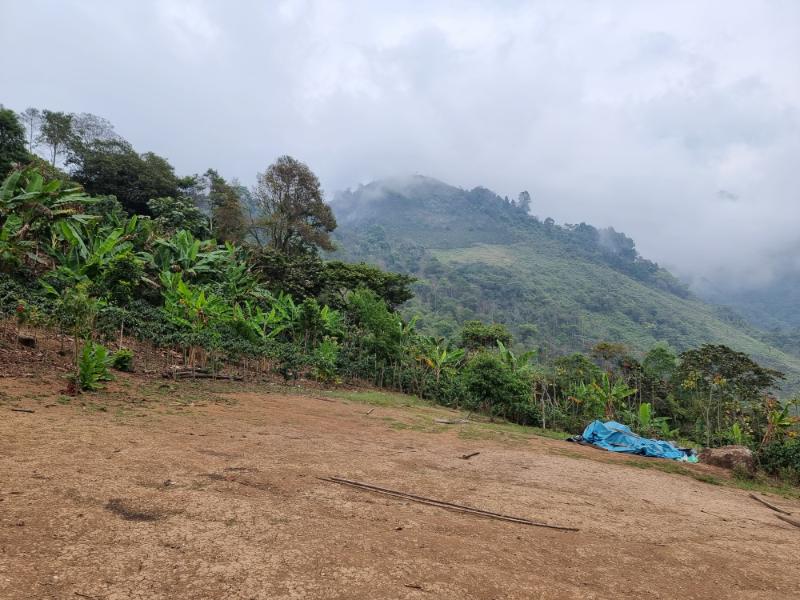
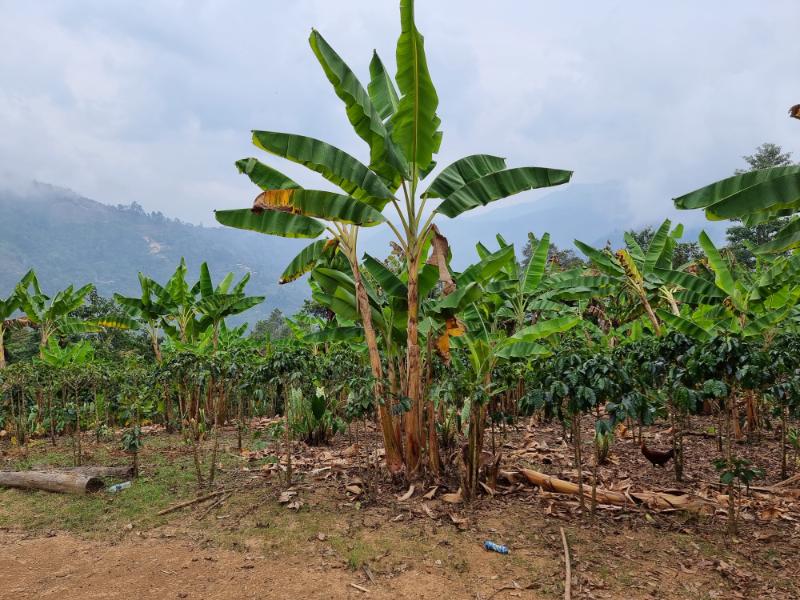


High in the uplands of Jaén, in northern Peru’s Cajamarca region, coffee is more than a crop — it is a rhythm that shapes daily life, seasons, and celebration. At 1,650 metres above sea level, La Naranja Farm sits quietly among forested hills, its orange trees and coffee plants sharing the same soil, rain, and mountain air. This is where Elvis Reynerio Tineo Rafael grows coffee rooted not only in altitude and technique, but in tradition.
La Naranja is a one-hectare, family-run farm established in 2016 on land gifted to Elvis by his family — a continuation of a lineage of coffee growers stretching back generations. The knowledge passed down from grandparents to parents now finds expression in Elvis’s work: careful cultivation, attention to soil health, and a commitment to improving quality year after year. Coffee here is personal. Every harvest carries a sense of responsibility — to the land, to family, and to the wider community.
A Landscape Shaped by Nature
The farm’s high elevation and cool, humid microclimate create ideal conditions for coffee. Regular rainfall nourishes clay-loam soils with a balanced pH, while surrounding forest helps regulate temperature and moisture. La Naranja grows Caturra, Catimor, and Catuai, varieties well suited to the region and increasingly refined through careful processing.
Harvest runs from May to August, overlapping with one of the most important moments in the local calendar. Coffee cherries are hand-picked and processed using a fully washed method, with fermentation carried out in sealed bags — a sign of the region’s growing focus on precision, experimentation, and cup clarity. Annual production is modest, around 40 quintales, but quality is the clear priority.
Coffee and the Patronal Festival
In El Diamante, the high-altitude community where La Naranja is located, agriculture and culture are inseparable. Each year on 20 July, the community gathers for its patronal festival — a day marked by shared meals, music, and collective pride. It is a celebration of faith, land, and people, timed closely with the height of the coffee harvest.
This connection between harvest and celebration inspired the name Ritual Harvest. It reflects the idea that coffee here is not produced in isolation, but as part of a wider cultural rhythm. Picking, fermenting, drying — these are acts repeated year after year, shaped by tradition and reinforced by community. The festival is a reminder that coffee is both livelihood and legacy.
Farming with Purpose
Elvis leads a small team of four, using a balanced approach to farming that combines organic matter, mineral fertilisers, and recycled coffee by-products to maintain soil health. Like much of Cajamarca, La Naranja relies on rainfall rather than irrigation, making the farm vulnerable to climate variability, drought, and threats such as coffee leaf rust. Despite these challenges, Elvis remains focused on long-term sustainability — both environmental and economic.
His goal is simple but ambitious: to produce coffees that earn recognition for their quality and secure pricing that allows the farm to thrive for generations to come.
A Coffee That Tells a Story
Ritual Harvest is a reflection of place — high-altitude coffee shaped by mountain climate, family knowledge, and communal celebration. It represents the quiet dedication behind each cup and the cultural moments that give meaning to the work.
From the hills of Jaén to your brew bar, this coffee carries more than flavour. It carries a story of harvest, heritage, and the enduring bond between coffee and community.