Type and press Enter.

Free Next Day shipping on orders over £50*

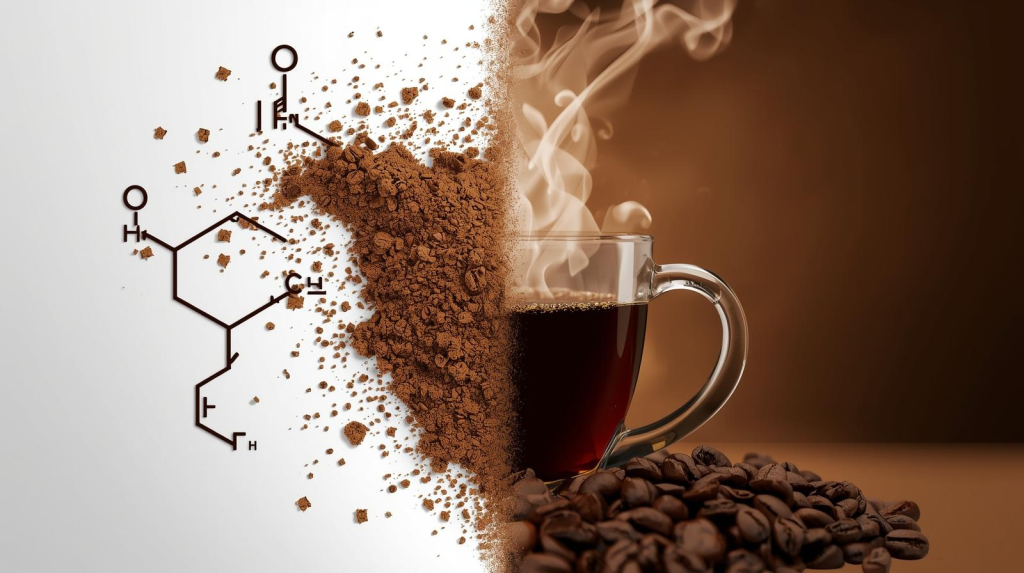
Instant vs Fresh Brew: The Chemical Divide

Coffee is more than a morning ritual — it’s a chemical experience. And when it comes to instant versus freshly brewed, the differences go far beyond taste and convenience. This post breaks down the science behind your cup, exposing what’s really inside each brew and why Bold Coffee stands firmly in the fresh camp.

What Is Instant Coffee?

Instant coffee is made by brewing ground coffee beans, then dehydrating the liquid through freeze-drying or spray-drying. The result is a soluble powder that rehydrates in hot water. It’s fast, shelf-stable, and widely consumed — especially in the UK, where over 75% of households regularly use instant coffee.

Chemical Differences

1. Acrylamide Levels

Acrylamide is a chemical compound that forms when starchy foods are cooked at high temperatures — including when coffee beans are roasted. It’s not added intentionally; it’s a by-product of the Maillard reaction, the same process that gives roasted coffee its rich flavour and aroma

  • Instant coffee contains up to twice as much acrylamide as fresh brew.
  • Acrylamide is a chemical formed during roasting and linked to neurotoxicity and cancer risk in high doses.
  • Freshly brewed coffee has lower levels due to less processing.

2. Antioxidant Content

Antioxidant content refers to the concentration of compounds in coffee that help neutralise free radicals — unstable molecules that can damage cells and contribute to ageing, inflammation, and disease. In coffee, the most prominent antioxidants are chlorogenic acids, a type of polyphenol.

  • Fresh coffee retains more chlorogenic acids, powerful antioxidants that support metabolism and reduce inflammation.
  • Instant coffee loses some of these compounds during dehydration.

3. Flavour Compounds

  • Fresh brew contains hundreds of volatile compounds that contribute to aroma and taste.
  • Instant coffee has fewer flavour oils and aromatic molecules, resulting in a flatter, more bitter profile.

4. Additives and Fillers

  • Some instant brands include anti-caking agents, stabilisers, or artificial flavourings.
  • Fresh coffee is typically pure — just roasted beans and water.

Anti-caking agents, stabilisers, and artificial flavourings are additives commonly found in lower-grade instant coffees. Anti-caking agents like silicon dioxide prevent clumping in humid conditions, while stabilisers such as xanthan gum or lecithin help maintain texture in flavoured or 3-in-1 mixes. Artificial flavourings — including synthetic vanilla or hazelnut compounds — are often used to mask bitterness or simulate premium taste. Though generally considered safe in small amounts, these additives are unnecessary in high-quality coffee and often signal over-processing or poor bean quality. Bold Coffee uses none of them — just expertly roasted beans, nothing else.

Health Implications

  • Lower antioxidant intake from instant coffee may reduce its protective effects against cardiovascular disease and diabetes.
  • Higher acrylamide exposure is a concern for regular instant drinkers, especially when combined with other dietary sources.
  • Fresh brew supports better gut health, with more polyphenols and soluble fibre.
Environmental Impact
  • Instant coffee production requires more energy per gram due to industrial dehydration.
  • Packaging is often non-recyclable, especially in single-serve sachets.
  • Fresh coffee, especially when bought in bulk and brewed with reusable equipment, has a lower carbon footprint.

Bold Coffee’s Position

Bold Coffee exclusively offers freshly roasted whole bean and ground coffee — never instant. Our roasting process preserves antioxidants, minimises acrylamide, and delivers full-bodied flavour without compromise. We reject shortcuts and additives, focusing instead on quality, transparency, and health.

Final Word

Instant coffee may be convenient, but it comes at a chemical cost. Fresh brew offers superior flavour, nutrition, and safety — and Bold Coffee is proud to keep it that way.

Got thoughts, questions, or coffee stories of your own? Leave a comment below—we read every one and love connecting with fellow coffee lovers.

For more about who we are and what makes Bold Coffee… well, bold, check out our About Us page.

And don’t forget to explore our other blog posts—we’re always adding new content.
Sign up to our newsletter and follow us on socials to stay updated. The world of coffee moves fast, and we’re here to keep you in the loop.


Cold Brew vs Iced Coffee — What’s the Difference?

They’re both cold. They’re both caffeinated. But cold brew and iced coffee are not the same — and knowing the difference can help you choose the drink that suits your taste, lifestyle, and brew setup.

Let’s compare.

Iced Coffee: Hot Brew, Chilled Fast

How it’s made:
Iced coffee starts as regular hot coffee — brewed using drip, pour-over, or espresso — then cooled down by pouring over ice.

Taste profile:

  • Bright and crisp
  • Often more acidic
  • Can taste diluted if not brewed strong enough

Pros:

  • Quick to make
  • Familiar flavour
  • Great for adding milk or syrups

Best for:

  • Those who want a fast, refreshing coffee
  • Fans of traditional coffee flavour with a chill twist

Cold Brew: Slow Steep, Smooth Finish

How it’s made:
Cold brew is made by steeping coarse-ground coffee in cold water for 12–24 hours, then straining it. No heat involved.

Taste profile:

  • Smooth and mellow
  • Lower acidity
  • Naturally sweeter and stronger

Pros:

  • Higher caffeine content
  • Less bitterness
  • Stays fresh longer in the fridge

Best for:

  • Those who love bold, smooth coffee
  • People sensitive to acidity
  • Batch brewers who want coffee on tap

Cold Brew vs Iced Coffee — Quick Comparison

Got thoughts, questions, or coffee stories of your own? Leave a comment below — we read every one and love connecting with fellow coffee lovers.

For more about who we are and what makes Bold Coffee… well, bold, check out our About Us page.

And don’t forget to explore our other blog posts — we’re always adding new content.
Sign up to our newsletter and follow us on socials to stay updated. The world of coffee moves fast, and we’re here to keep you in the loop.
What Does Acidity Mean in Coffee?

When people hear “acidity,” they often think of heartburn or sourness — but in the world of coffee, acidity is a good thing. It’s what gives your cup that lively, vibrant character. Think of the crisp snap of a green apple or the bright zing of citrus — that’s acidity at work.

Let’s break it down.

What Is Acidity in Coffee?

In coffee, acidity refers to flavour, not pH. While brewed coffee typically has a pH around 5 (similar to bananas or black tea), the term “acidity” describes the bright, tangy, or fruity notes that dance on your tongue — especially at the front and sides of your mouth.

It’s one of the key elements that define a coffee’s flavour profile, alongside body, sweetness, bitterness, and aroma.

Where Does It Come From?

Acidity in coffee comes from organic acids naturally present in green coffee beans. These include:

  • Citric acid – adds lemon, lime, or orange notes
  • Malic acid – think green apple or pear
  • Tartaric acid – brings grape-like sharpness
  • Acetic acid – a vinegar-like tang (in small amounts, it adds complexity)

Roast level plays a big role:

  • Light roasts preserve more of these acids, resulting in brighter, fruitier cups
  • Dark roasts break them down, leading to bolder, smokier flavours with less perceived acidity

Origin Matters Too

Where your coffee is grown affects its acidity:

  • African coffees (like Ethiopian or Kenyan) are known for high acidity and fruity complexity
  • Latin American coffees often have balanced acidity with citrus or chocolate notes
  • Asian coffees (like Sumatran) tend to be lower in acidity, with earthy, herbal tones

Why Acidity Is a Good Thing

Acidity adds brightness, complexity, and structure to coffee. Without it, coffee can taste flat or dull. When balanced with sweetness and body, acidity creates a cup that’s lively and memorable.

It’s not about sourness — it’s about sparkle.

How to Choose the Right Acidity for You

  • Love fruity, vibrant coffee? Try light roasts from Ethiopia or Kenya
  • Prefer smooth and mellow? Go for medium roasts from Brazil or Colombia
  • Want bold and low-acid? Choose dark roasts or beans from Sumatra

Final word

Got thoughts, questions, or coffee stories of your own? Leave a comment below — we read every one and love connecting with fellow coffee lovers.

For more about who we are and what makes Bold Coffee… well, bold, check out our About Us page.

And don’t forget to explore our other blog posts — we’re always adding new content.
Sign up to our newsletter and follow us on socials to stay updated. The world of coffee moves fast, and we’re here to keep you in the loop.
Coffee And The Brain: The Science Behind The Buzz

How Caffeine Affects Focus, Mood, and Sleep — and Why Timing Matters

Coffee isn’t just a pick-me-up — it’s a pharmacological experience. From neurotransmitters to hormones, caffeine interacts with your brain in ways that shape your energy, emotions, and sleep. This post breaks down the science behind the buzz, helping you brew smarter and feel better.

Blocking Adenosine: The Wake-Up Mechanism

Caffeine’s primary effect is blocking adenosine, a neurotransmitter that builds up during the day and signals your brain to rest. By interfering with this process, caffeine keeps you alert — but it also delays natural tiredness.

  • Caffeine binds to adenosine receptors, preventing the brain from registering fatigue.
  • It reaches peak levels in the bloodstream 15–45 minutes after consumption.
  • Its half-life is around 5–6 hours, meaning a midday cup can still affect you at bedtime.

This is why timing matters — caffeine doesn’t just wake you up, it shifts your entire sleep-wake rhythm.

Dopamine Enhancement: Mood and Motivation

Caffeine doesn’t increase dopamine directly, but it amplifies dopamine signalling, making you feel more focused, motivated, and even euphoric. This is part of why coffee feels rewarding — and why it’s mildly addictive.

  • It enhances dopamine receptor sensitivity, improving mood and concentration.
  • This effect is similar to low-level stimulants, but without the intensity or legal restrictions.
  • Overuse can lead to irritability, anxiety, and dependence, especially in sensitive individuals.

Moderation is key — the buzz is real, but so is the backlash.

Cortisol Spikes: Stress and Stomach Sensitivity

Drinking coffee first thing in the morning — especially on an empty stomach — can exaggerate your body’s natural cortisol peak, leading to stress symptoms.

  • Cortisol, the body’s stress hormone, naturally peaks between 7–9am.
  • Adding caffeine during this window can increase heart rate, digestive upset, and jitteriness.
  • Those prone to anxiety or IBS may feel worse after early-morning brews.

A better strategy? Delay your first cup until mid-morning, when cortisol levels begin to stabilise.

Sleep Disruption: The Hidden Cost of Afternoon Coffee

Caffeine’s long half-life means it can interfere with sleep, even if consumed hours before bedtime. It doesn’t just keep you awake — it alters the quality of your sleep.

  • It reduces slow-wave sleep, the deep restorative phase crucial for recovery.
  • It can delay sleep onset, making it harder to fall asleep even when tired.
  • Studies show that caffeine within 6 hours of bedtime can significantly disrupt sleep architecture.

If you value rest, consider cutting off caffeine by 2pm — your brain will thank you.

Tolerance and Withdrawal: The Rollercoaster Effect

Regular caffeine use builds tolerance, meaning you need more to feel the same effect. And when you stop, withdrawal symptoms kick in — a sign that your brain has adapted.

  • Withdrawal can cause headaches, fatigue, irritability, and poor concentration.
  • Symptoms begin 12–24 hours after your last dose, and may last up to a week.
  • The more caffeine you consume daily, the harder the crash.

Bold Coffee recommends cycling your intake — take a break every few weeks to reset your sensitivity or monitor the amount you consume per day.

Bold Coffee’s Take

We believe coffee should enhance your day — not hijack your brain. That’s why Bold Coffee:

  • Encourages smart brewing habits, like avoiding caffeine after 2pm and delaying your first cup.
  • Offers medium-roast options with balanced caffeine and flavour — no harsh spikes.
  • Rejects additives and instant formats that accelerate absorption and crash.

We’re here for the buzz — but we respect the biology.

Got thoughts, questions, or coffee stories of your own? Leave a comment below—we read every one and love connecting with fellow coffee lovers.

For more about who we are and what makes Bold Coffee… well, bold, check out our About Us page.

And don’t forget to explore our other blog posts—we’re always adding new content.
Sign up to our newsletter and follow us on socials to stay updated. The world of coffee moves fast, and we’re here to keep you in the loop.

What Are Roast Levels — And Why They Matter

Roast level is one of the biggest factors that determines how your coffee tastes. Whether you love bright, fruity notes or deep, smoky richness, understanding roast levels helps you choose beans that match your flavour preferences — and your brew method.

Let’s break it down.

Light Roast: Bright, Fruity, Complex

Light roasts are roasted for the shortest time, preserving the bean’s natural flavours and acidity. You’ll often taste floral, citrus, or berry notes, especially in beans from Ethiopia or Kenya.

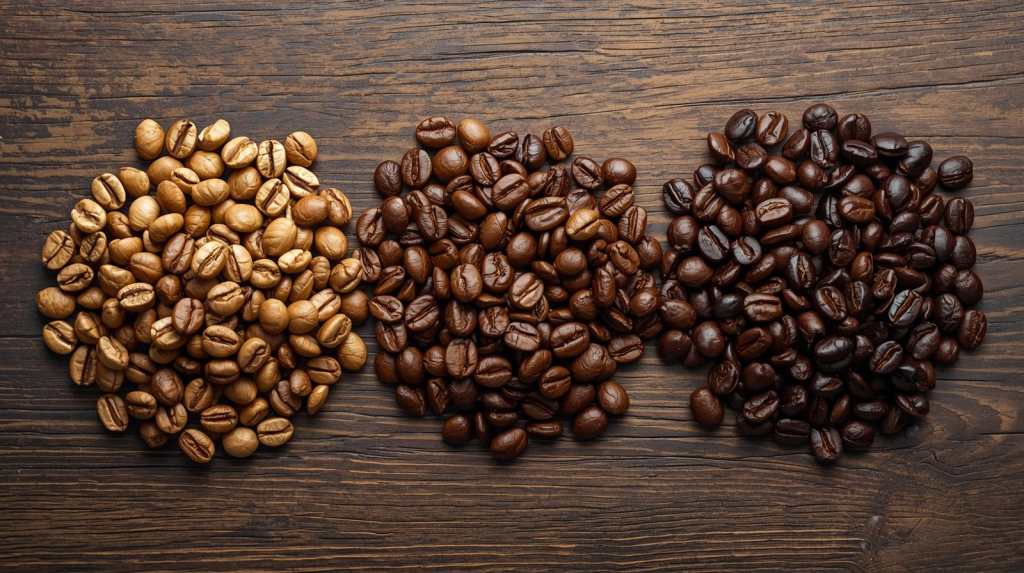
  • Colour: Light brown, dry surface
  • Flavour: Bright, acidic, nuanced
  • Best for: Pour-over, AeroPress, filter brews
  • Roast names: Cinnamon, New England, Light City

Tip: Light roasts are ideal for tasting origin-specific characteristics.

Medium Roast: Balanced, Smooth, Versatile

Medium roasts strike a balance between origin flavour and roast development. They’re less acidic than light roasts, with more body and sweetness — think chocolate, caramel, and nutty notes.

  • Colour: Medium brown, dry surface
  • Flavour: Balanced, rounded, slightly sweet
  • Best for: Drip, French press, espresso
  • Roast names: City, American, Breakfast

Tip: If you’re unsure what you like, start here.

Dark Roast: Bold, Smoky, Low Acidity

Dark roasts are roasted longer, which reduces acidity and origin flavour but increases body and bitterness. You’ll taste smoke, dark chocolate, and toasted flavours — sometimes even hints of spice.

  • Colour: Dark brown to black, oily surface
  • Flavour: Bold, bitter, smoky
  • Best for: Espresso, moka pot, milk-based drinks
  • Roast names: Full City, French, Italian

Tip: Great for those who love strong coffee or drink it with milk.

So… Which Roast Is Right for You?

  • Love fruity, tea-like coffee? Go light.
  • Want balance and sweetness? Medium’s your friend.
  • Crave bold, intense flavour? Dark roast delivers.

And remember: roast level is just one part of the equation. Origin, processing method, and brew style all play a role — and experimenting is half the fun.

Final word

Instant coffee may be convenient, but it comes at a chemical cost. Fresh brew offers superior flavour, nutrition, and safety — and Bold Coffee is proud to keep it that way.

Got thoughts, questions, or coffee stories of your own? Leave a comment below—we read every one and love connecting with fellow coffee lovers.

For more about who we are and what makes Bold Coffee… well, bold, check out our About Us page.

And don’t forget to explore our other blog posts—we’re always adding new content.
Sign up to our newsletter and follow us on socials to stay updated. The world of coffee moves fast, and we’re here to keep you in the loop.